How Microcontrollers Work in Vape Devices: Electronics, Firmware and Safety Systems
Introduction to Microcontroller Technology
Microcontrollers play an important role in many modern electronic products, from household appliances to battery-powered devices.
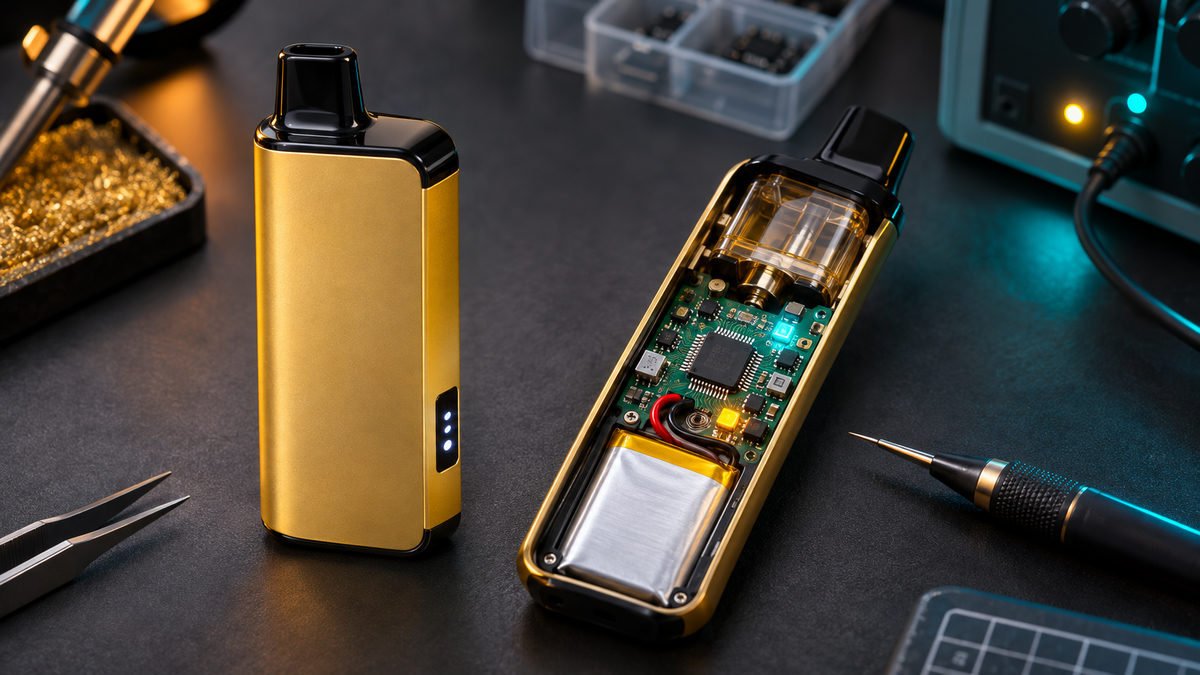
In regulated vaping devices, these compact electronic components can coordinate sensor inputs, electrical power delivery and protective functions.
Vapes Warehouse Australia has published an educational guide examining how microcontrollers interact with other electronic components inside vaping devices.
What Does a Microcontroller Do in a Vape Device?
A microcontroller typically contains a processor, memory, timers and input/output interfaces.
Depending on the device design, it may perform several functions:
Detecting activation signals
Monitoring battery voltage
Measuring heating-element resistance
Controlling electrical output
Tracking activation duration
Processing diagnostic information
The controller works alongside sensors, power transistors and other circuitry rather than directly supplying the heating element's full current.
How Airflow Sensors and Activation Systems Work
Some devices use airflow sensors to detect changes in pressure during inhalation.
The sensor sends an electrical signal to the control system.
Firmware may then check battery conditions, electrical resistance and other operating limits before allowing activation.
During operation, the controller continues monitoring relevant measurements.
Power Regulation and Battery Management
Regulated devices use electronic circuitry to manage the electrical energy delivered to a heating element.
A microcontroller can compare measured conditions against programmed limits and adjust switching commands accordingly.
This process may help maintain consistent electrical output as battery voltage changes.
However, regulation is limited by the capabilities of the battery and supporting hardware.
Temperature Monitoring and Protection
Some regulated systems estimate heating-element temperature by measuring changes in electrical resistance.
Other protective functions may monitor board temperature, excessive current, low battery voltage or abnormal electrical loads.
These systems can reduce or interrupt power when certain thresholds are reached.
Temperature estimation and electronic protection remain imperfect and cannot eliminate every risk.
Firmware and Error Messages
Firmware provides the programmed instructions that govern the device's electronic behaviour.
Depending on the model, it may control:
Activation and shutdown logic
Power regulation
Sensor monitoring
Battery status indicators
Error messages
Protective operating limits
Users should consult official manufacturer documentation when interpreting warning lights or error codes.
Electronic Failures and Safe Troubleshooting
Electronic components may fail because of physical damage, corrosion, overheating, defective connections or battery deterioration.
Unusual heat, swelling, leaking, unexpected sounds or persistent error messages can indicate a potentially unsafe condition.
Users should stop using an abnormal device and avoid opening sealed housings, bypassing protection circuits or attempting unauthorised battery repairs.
Conclusion
Microcontrollers are essential components in many regulated electronic vaping devices.
They coordinate sensor measurements, manage electrical output and support diagnostic and protective functions.
However, overall reliability depends on the complete electronic system, including hardware quality, firmware design, battery condition and manufacturing standards.
Read the Full Educational Article
Discover more about embedded controllers, electronic power regulation, firmware and protective systems in the original technical guide.
Full Article: Understanding the Role of Microcontrollers in Vape Devices
https://vapeswarehouseaus.com/understanding-the-role-of-microcontrollers-in-vape-devices/
Labels: Microcontroller Technology, Vape Electronics, Firmware, Battery Safety, Electronic Engineering, Embedded Systems, Vapes Warehouse Australia
Educational information only. Vaping and nicotine are not risk-free.


Comments
Post a Comment