Vape Advertising Restrictions in Australia Explained: TGA Rules, Social Media and Legal Compliance
Understanding vape advertising restrictions in Australia is essential for businesses, healthcare professionals, publishers and content creators involved in vaping-related communications.
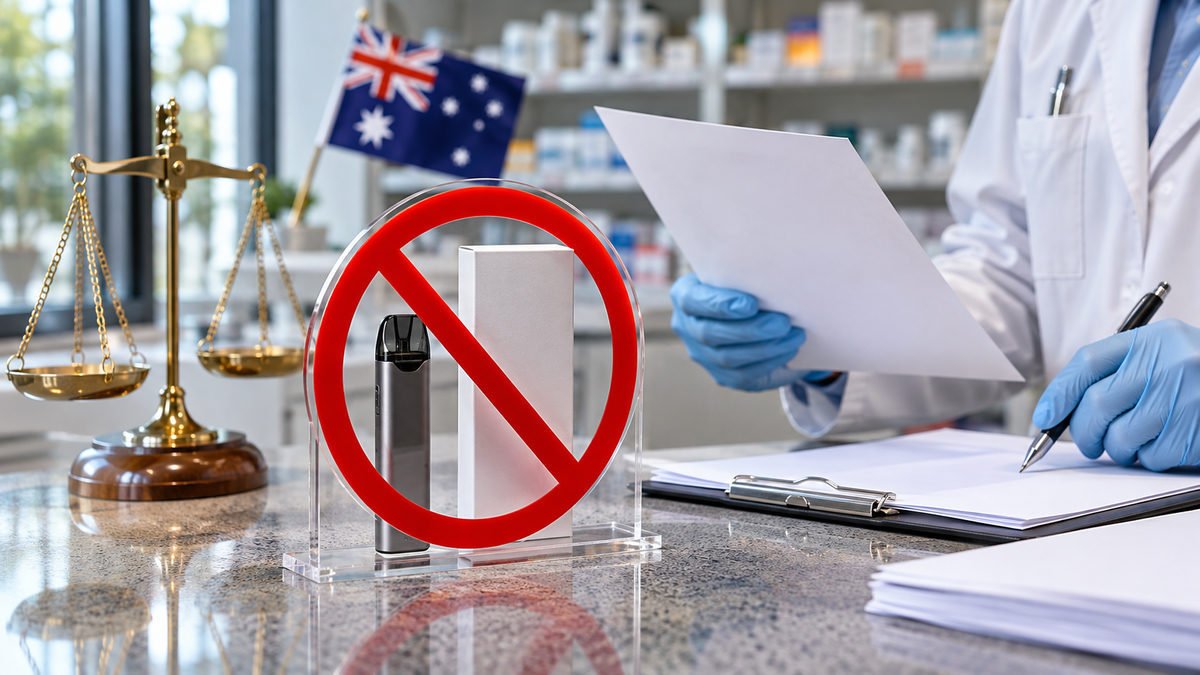
Australia generally prohibits public advertising and promotion of vaping goods.
These restrictions extend beyond traditional advertising and may apply to websites, social media posts, influencer campaigns, sponsorship arrangements and pharmacy communications.
This guide explains the main federal laws, limited exceptions, enforcement risks and compliance considerations.
1. What Are Australia's Vape Advertising Restrictions?
Australia regulates vaping advertising through overlapping legal frameworks.
The restrictions can apply to therapeutic and non-therapeutic vaping products, including nicotine-containing and nicotine-free goods.
Regulated products may include:
Electronic vaping devices
E-liquids
Disposable vaping products
Pods and cartridges
Device components
Related accessories
A communication may be considered advertising even when it does not result in an immediate sale.
2. Federal Laws Governing Vape Advertising
Two major federal statutes establish Australia's vaping advertising restrictions.
Therapeutic Goods Act 1989
The Therapeutic Goods Act broadly prohibits advertising vaping goods unless an applicable TGA authorisation permits the communication.
Advertising may include statements, images or designs intended to promote the use or supply of vaping goods.
Public Health (Tobacco and Other Products) Act 2023
This legislation establishes additional restrictions concerning e-cigarette advertising, promotion and sponsorship.
It can apply to direct and indirect promotional activities.
How the Laws Work Together
| Legal Framework | Main Advertising Concern |
|---|---|
| Therapeutic Goods Act 1989 | Advertising vaping goods without appropriate authorisation |
| Public Health (Tobacco and Other Products) Act 2023 | E-cigarette advertising, promotion and sponsorship |
| State and territory legislation | Additional local restrictions |
| Australian Consumer Law | Misleading or deceptive commercial representations |
A communication may need to comply with several legal requirements simultaneously.
3. Is Vape Advertising Allowed on Social Media in Australia?
Australia's broad advertising restrictions can apply to social media.
Potentially regulated communications include:
Facebook posts
Instagram content
X posts
TikTok videos
YouTube reviews
Sponsored content
Affiliate promotions
Product giveaways
Promotional hashtags
A post does not automatically become lawful because it is unpaid or directed toward adults.
Regulators may consider the message, imagery, surrounding links and commercial context.
4. Are Educational Vape Articles Allowed?
Some factual information may fall outside advertising restrictions when it is genuinely non-promotional.
However, describing an article as educational does not guarantee compliance.
A scientific explanation may create advertising concerns when presented alongside:
Product availability
Prices or discounts
Purchase links
Promotional product photographs
Testimonials
Commercial endorsements
Calls to obtain a particular product
The complete presentation should be assessed rather than relying on the article's title or disclaimer.
5. Vape Influencer Marketing Restrictions
Influencer marketing can create significant compliance risks.
Promotional arrangements may include free products, affiliate commissions, paid endorsements and informal brand collaborations.
The absence of direct payment does not automatically remove advertising concerns.
Liability may extend to publishers, businesses, agencies and other parties involved in causing or approving unlawful advertisements.
6. Can Pharmacies Advertise Therapeutic Vapes?
Participating pharmacies may lawfully supply certain therapeutic vaping products under applicable conditions.
However, lawful supply does not automatically permit public advertising.
A pharmacy may promote smoking cessation consultation services without necessarily promoting vaping products themselves.
Public communications encouraging patients to request particular vaping products can raise legal concerns.
7. Limited Advertising Authorisations
Certain communications may be permitted under specific authorisations.
These can include:
| Communication Type | General Consideration |
|---|---|
| Product packaging | Must satisfy applicable authorisation and standards |
| Healthcare professional communications | May require exclusive professional access |
| Supply-chain communications | Must remain within qualifying channels |
| Direct patient consultations | Must satisfy clinical and authorisation conditions |
| Public health campaigns | Require an applicable permission or exception |
Each authorisation has its own conditions.
Permission under one law does not necessarily resolve obligations under another.
8. What Information Can Be Provided During Patient Consultations?
Qualified healthcare professionals may provide certain vaping-related information during appropriate treatment for smoking cessation or nicotine-dependence management.
Depending on the applicable authorisation, this may include information about availability, price, ingredients, composition and appropriate use.
However, these permissions are not equivalent to general public advertising rights.
Promotional testimonials, samples, inducements and unauthorised displays may remain prohibited.
9. Vape Advertising and Product Packaging
Vaping packaging and labels must comply with applicable therapeutic goods requirements.
Businesses should not assume they can add promotional materials to otherwise compliant products.
Potentially problematic additions may include:
Promotional stickers
Discount inserts
Unauthorised claims
Promotional displays
Endorsements
Incentive offers
Packaging permissions should be checked against current TGA requirements.
10. State and Territory Advertising Laws
Australian states and territories may establish additional vaping restrictions.
These can affect:
Retail displays
Pharmacy supply
Commercial signage
Online communications
Sponsorship
Product possession and use
Enforcement procedures
Businesses operating across multiple jurisdictions should review the requirements applicable to each location.
11. Penalties for Illegal Vape Advertising
Unlawful advertising can lead to civil and criminal consequences.
Potential enforcement actions include:
Regulatory warnings
Infringement notices
Investigations
Civil penalty proceedings
Criminal prosecution
Related action against unlawful supply activities
Exact penalties depend on the relevant law, applicable penalty units and circumstances.
Current official legislation should be consulted before quoting monetary amounts.
12. Vape Advertising Compliance Checklist
Before publishing vaping-related material, organisations should examine the following issues.
Content: Does the communication encourage vaping product use or supply?
Audience: Is it publicly accessible or restricted to an authorised group?
Legal Basis: Does a specific authorisation apply?
Presentation: Do images, slogans or product references create a promotional impression?
Links: Does the content direct readers toward product sales?
Jurisdiction: Which federal, state and territory requirements apply?
Documentation: Has the final material received appropriate review and approval?
Monitoring: Are older posts and third-party publications being reviewed?
A documented process can help organisations identify potential compliance concerns before publication.
Frequently Asked Questions
Is vape advertising banned in Australia?
Australia generally prohibits public advertising and promotion of vaping goods, subject to limited exceptions and authorisations.
Can vape businesses advertise on Facebook?
Public promotional posts may breach Australian vaping advertising restrictions. The complete content and context must be assessed.
Are influencer vape promotions allowed?
Influencer endorsements and other promotional arrangements can create significant legal risks under Australia's restrictions.
Can pharmacies advertise vaping products?
Lawful pharmacy supply does not create a general right to publicly advertise therapeutic vaping products.
Is educational vaping content exempt from advertising laws?
Not automatically. Content described as educational may still be advertising if its presentation or commercial context promotes vaping goods.
Can a website publish vape prices?
Public price information may create advertising concerns. Limited price discussions may be authorised within appropriate clinical consultations.
Does an adults-only disclaimer make vape advertising legal?
No. An age warning does not replace a required legal authorisation.
Are nicotine-free vapes covered by advertising restrictions?
Yes. Australia's vaping restrictions can extend to nicotine-free vaping goods.
Can vaping products be promoted through sponsorship?
Sponsorship arrangements that promote vaping or relevant products may be prohibited.
Who enforces vape advertising restrictions?
Relevant authorities include the TGA and agencies responsible for federal, state and territory public health requirements.
Conclusion
Australia's vaping advertising restrictions cover a broad range of public communications.
Businesses, publishers, pharmacies, agencies and content creators should understand that promotional activity can occur through websites, social media, sponsorships and other channels.
Limited authorisations exist, but they do not establish a general right to market vaping products.
Educational disclaimers and age warnings cannot independently guarantee compliance.
Before publishing vaping-related material, organisations should consult current official guidance and obtain qualified Australian legal advice when necessary.
Original Source:
Vape Advertising Restrictions in Australia Explained
Official Regulatory Resource:
Therapeutic Goods Administration
This article provides general legal information and does not constitute professional legal advice.


Comments
Post a Comment